Why VO2 Max Testing Belongs in Proactive Healthcare

Most routine health visits focus on familiar numbers like blood pressure, cholesterol, blood glucose, weight and resting heart rate. These measurements are important, but they do not always provide a complete picture of how well the body is functioning.

One measurement that is often missing is cardiorespiratory fitness, or CRF. VO2 max testing provides a way to measure it by showing how effectively the heart, lungs, blood vessels and muscles work together to use oxygen during exercise.

For people interested in taking a more proactive approach to their health, that information can provide a valuable baseline long before a noticeable problem develops.

An Important Health Marker That Often Goes Unmeasured

Cardiorespiratory fitness is closely connected to cardiovascular health, physical capacity and long-term health outcomes. Yet unlike blood pressure or cholesterol, it is not routinely measured during most primary care visits.

This is not a new concern.

In 2016, the American Heart Association highlighted the importance of assessing cardiorespiratory fitness in clinical practice, making the case for CRF to be considered a clinical vital sign. The organization noted that CRF provides meaningful insight into cardiovascular and overall health risk and supported greater use of fitness measurement in routine clinical care.

Despite that recommendation, cardiorespiratory fitness testing is still far from standard during routine healthcare visits.

That creates an important gap. If something meaningful about a person’s health can be measured before symptoms appear, there is value in understanding it sooner rather than later.

What VO2 Max Testing Actually Measures

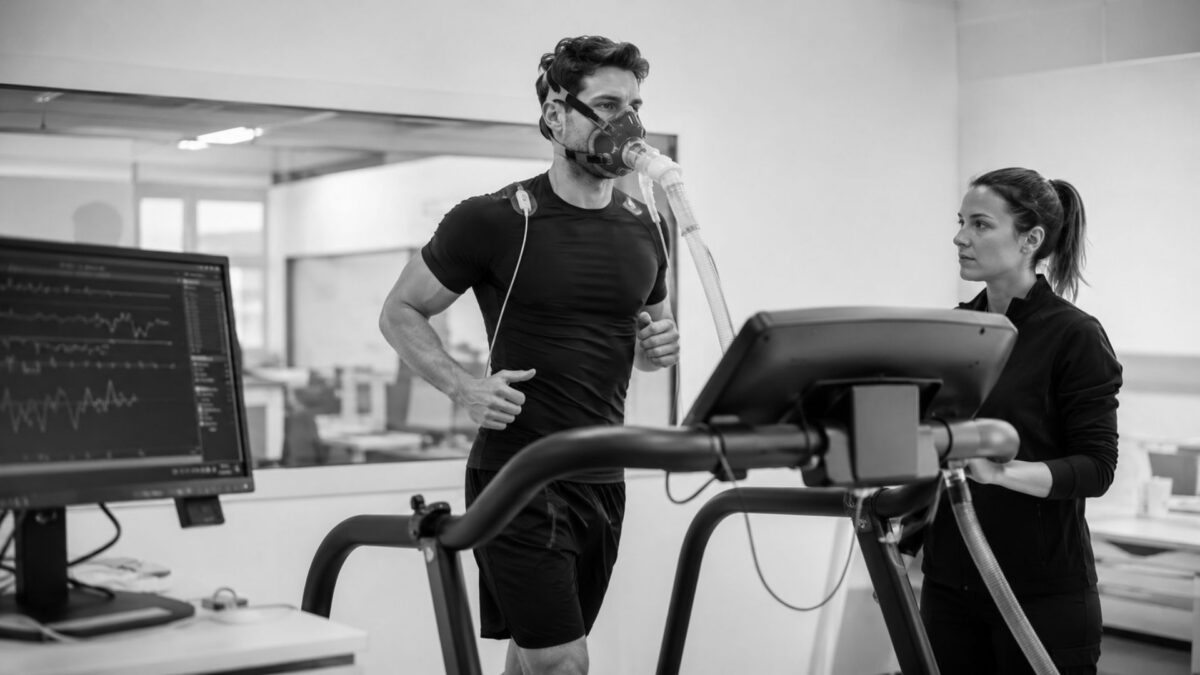
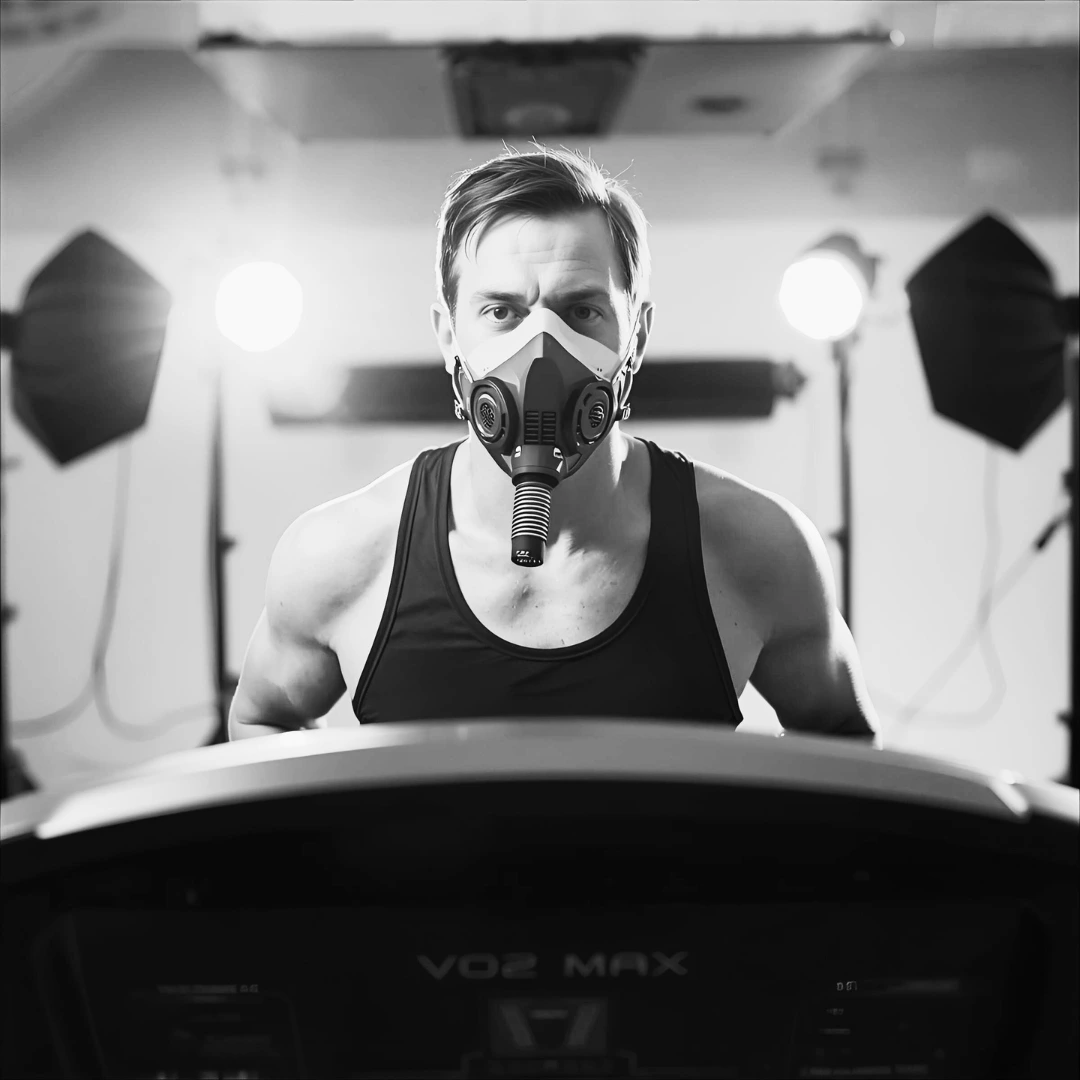
VO2 max represents the maximum amount of oxygen the body can use during intense exercise. During testing, exercise intensity gradually increases while specialized equipment measures oxygen consumption and carbon dioxide production.

The result provides an objective measurement of aerobic capacity and how effectively several major systems in the body work together under physical stress.

At Permanence Health, VO2 max testing is performed using progressive exercise on a treadmill or stationary bike while respiratory data is measured throughout the test.

But the goal is not simply to give someone a fitness score.

The more useful part is establishing a measurable baseline that can help guide decisions about exercise, conditioning and long-term health.

Reactive Care Starts With a Problem. Proactive Care Starts With a Baseline.

Traditional healthcare plays an essential role in diagnosing and treating illness, injury and disease. But much of the healthcare system naturally becomes more involved once a problem has already appeared.

A proactive approach asks different questions.

How is your body functioning today? What can be measured now? Where is there room for improvement? And are there changes that can be made before declining health becomes obvious?

VO2 max testing fits naturally into that approach because it creates an objective starting point.

Instead of waiting until endurance noticeably decreases or everyday physical activity becomes more difficult, testing can help establish where your cardiorespiratory fitness stands today.

That does not mean VO2 max should be viewed in isolation or used to predict everything about someone’s health. It is another useful piece of information that can be considered alongside other health measurements.

Knowing Your Baseline Gives You Something to Improve

Goals like “get healthier” or “improve my fitness” can be difficult to measure.

A VO2 max result creates a clearer starting point.

Once you know your current aerobic capacity, exercise can become more intentional. Training intensity can be adjusted, progress can be monitored and future testing can show whether those changes are actually improving cardiorespiratory fitness.

And improving VO2 max is not only relevant to competitive athletes.

People at many different fitness levels can benefit from understanding their aerobic capacity, especially those who want to maintain physical function, improve endurance or take a more active role in their long-term health.

The goal is not necessarily to achieve the highest possible score.

The goal is to better understand your own physiology and use that information to make smarter decisions about what comes next.

There Is a Difference Between “Nothing Is Wrong” and Knowing What Can Improve

Routine medical testing is often designed to identify whether something has moved outside an expected range. Proactive health testing can add another layer to that conversation.

Someone may have normal traditional health markers while still having opportunities to improve cardiovascular fitness, strength, body composition or other aspects of physical performance.

VO2 max testing helps provide insight into one of those areas by showing how the body performs as physical demand increases.

That information can be valuable for people preparing for a fitness goal, trying to maintain independence as they age, improving athletic performance or simply wanting a clearer understanding of their current health.

The point is not to collect more numbers for the sake of having more data.

The point is to measure information that can actually help guide future decisions.

Closing the Gap With Proactive Healthcare

Healthcare does not have to begin when something goes wrong.

Testing cardiorespiratory fitness is one example of how a more proactive model can help people better understand their health before symptoms become the reason for taking action.

VO2 max testing provides a measurable baseline today and something that can be monitored as exercise, lifestyle and health change over time.

For people looking for VO2 max testing in San Antonio, the value is not simply knowing the number. It is understanding what that number means, where there may be room to improve and how that information can become part of a larger strategy for long-term health.

Ready to establish your baseline? Schedule your VO2 Max consultation with Permanence Health and start turning your health data into a plan you can act on.
Bone Density Test: What to Expect, How Long It Takes, and How to Prepare

If you have never had a bone density test before, you may be wondering what the appointment actually involves. How long does a bone density test take? Do you need to prepare? What should you wear? And what happens once the scan is finished?

The good news is that a DEXA bone density test is quick, painless, and noninvasive. It can provide valuable information about your bone health without requiring a lengthy appointment or complicated preparation.

Here is what you can expect before, during, and after your bone density test.

What Is a Bone Density Test?

A bone density test measures the mineral content of your bones to help assess their strength. The most common method is dual-energy X-ray absorptiometry, often shortened to DXA or DEXA.

DEXA uses very low-dose X-rays to measure bone mineral density. Depending on the type of scan, it can also provide information about body composition, including lean muscle mass, body fat, and fat distribution.

If you want a deeper look at the technology and the information it can provide, read our guide to DEXA scans and why they matter.

How Long Does a Bone Density Test Take?

One of the most common questions people have before scheduling is, how long does a bone density test take?

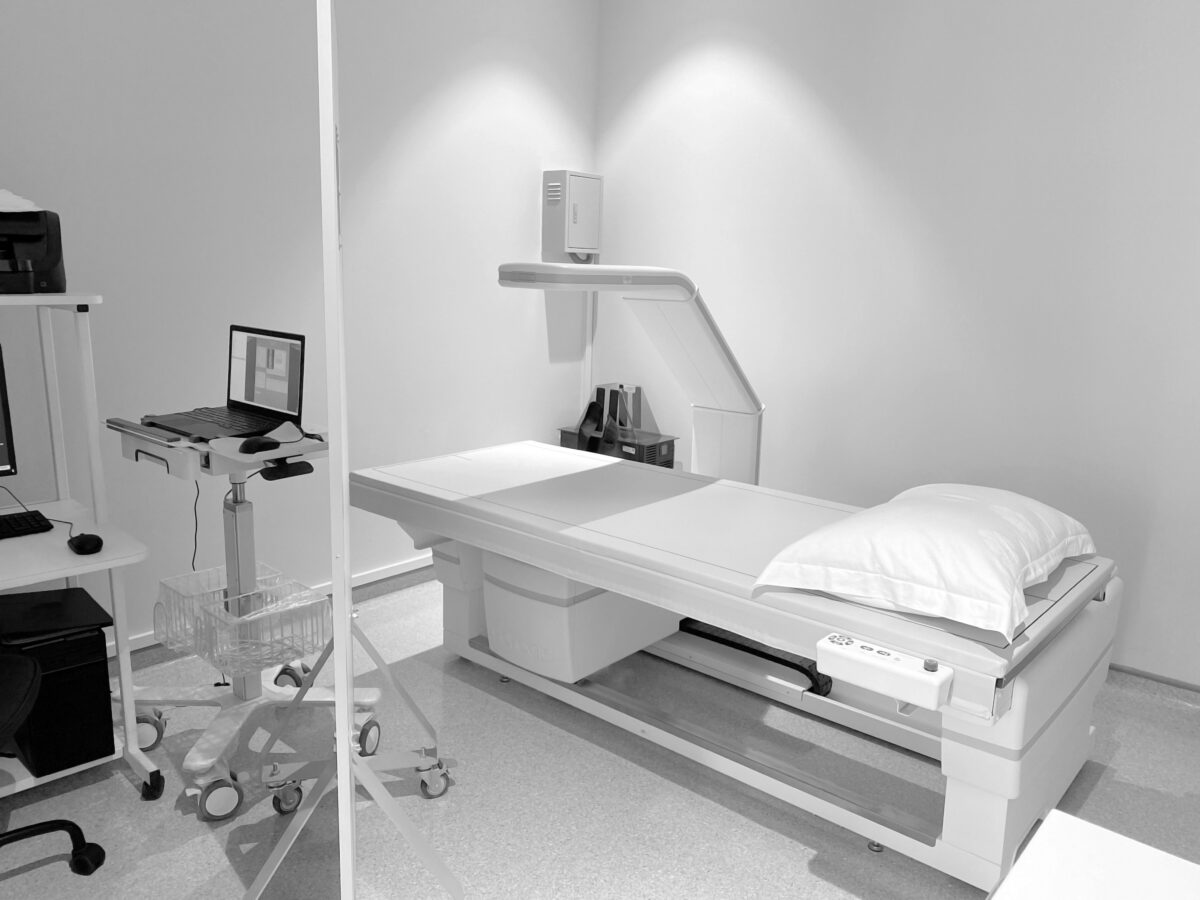
At Permanence Health, the DEXA scan process takes about 10 minutes. You simply lie comfortably on the scanning table while the machine collects the measurements.

You may want to allow additional time for check-in and reviewing your results, but the scan itself is fast. There is also no recovery period, so most people can return to their normal routine afterward.

What Happens During a Bone Density Test?

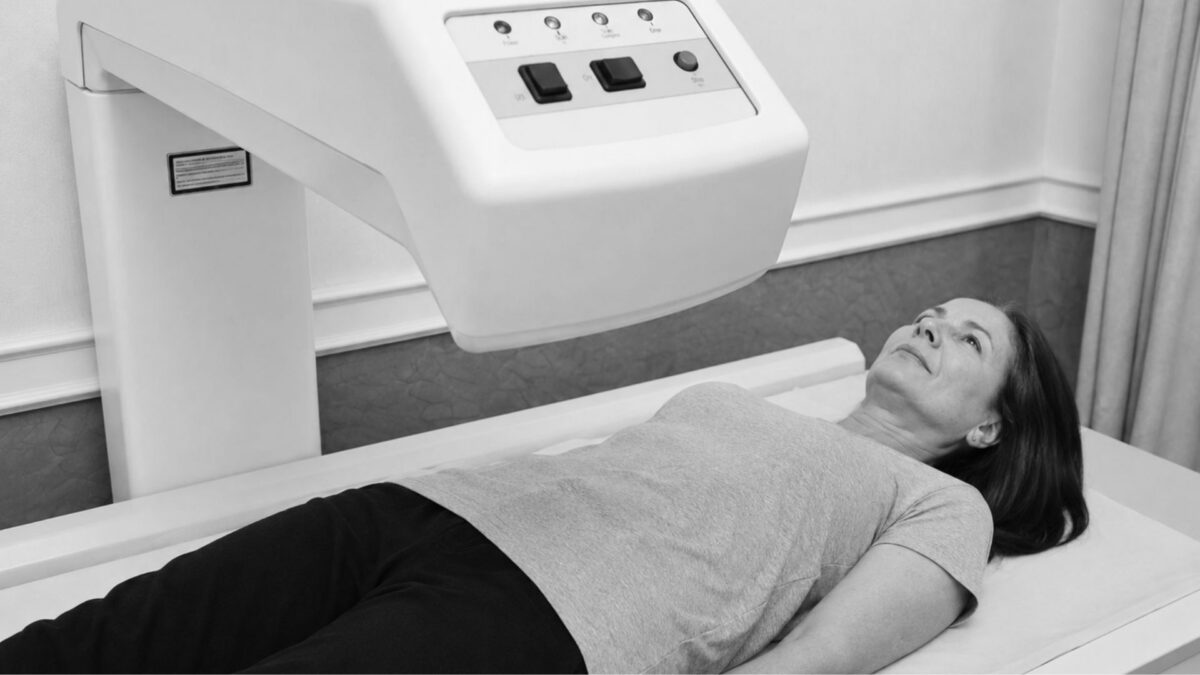
When it is time for your scan, you will lie on a flat, padded table. The scanner passes over your body while collecting measurements.

You will need to remain relatively still so the machine can capture accurate information, but the scan itself is painless. DEXA does not require an enclosed tunnel like some other imaging tests, which can make the experience feel more comfortable for people who are nervous about medical scans.

According to RadiologyInfo from the American College of Radiology and Radiological Society of North America, DXA is a quick and noninvasive examination that uses a very small amount of ionizing radiation.

Once the scan is complete, the data can be used to create a clearer picture of your bone density and, depending on the scan performed, your overall body composition.

How Is a Bone Density Test Done on a Woman?

The basic DEXA scan process is the same for women and men. You lie on the scanning table while the machine collects measurements from the areas being evaluated.

Bone health can become especially important for women as they move through different stages of life. Changes in age, hormones, nutrition, activity levels, and muscle mass can all influence long-term bone health.

A DEXA scan provides an objective baseline that can be tracked over time instead of relying only on how you feel or what you see on a traditional scale.

If you are pregnant or think you may be pregnant, tell the testing team before your appointment because DEXA uses X-ray technology.

How to Prepare for a Bone Density Test

Preparing for a DEXA scan is usually simple.

For a scan at Permanence Health, no complicated preparation is required. The biggest consideration is your clothing.

Choose comfortable clothing without metal. Zippers, large metal buttons, belts, jewelry, or other metal items can interfere with imaging and may need to be removed before the scan.

If you are unsure whether something you plan to wear is appropriate, checking with the testing team before your appointment can save time when you arrive.

You should also let the team know about any recent medical imaging or procedures that could potentially affect the scan.

Before Your Bone Density Test: Quick Checklist

A few simple steps can make your appointment easier:

  • Wear comfortable clothing without metal
  • Avoid belts, large buttons, zippers, and underwire
  • Tell the testing team if you are pregnant or think you may be pregnant
  • Mention any recent imaging tests or medical procedures
  • Arrive with enough time for check-in
  • Be ready to review your results and ask what the measurements mean for your health goals

What Should You Wear for a Bone Density Test?

Comfortable, loose-fitting clothes are usually the easiest option.

Think about clothing such as:

  • Athletic pants or leggings without metal
  • A simple T-shirt
  • A sports bra or undergarments without metal components
  • Slip-on or easy-to-remove shoes

Try to avoid clothing with metal zippers, snaps, hooks, underwire, decorative pieces, or large buttons.

If an item of clothing could interfere with the scan, you may need to remove it or change before testing.

What Happens After the Test?

There is no downtime after a DEXA scan. Once the scan is finished, you can continue with your day.

The more important part comes next: understanding what the numbers mean.

At Permanence Health, the goal is not simply to hand you a report full of measurements. Your results can be reviewed in context so you understand what they say about your current bone health and body composition and how that information can help guide your next steps.

Your baseline can also become more valuable over time. Future scans can help show whether your bone density or body composition is changing and give you objective data to evaluate your progress.

Why Knowing Your Bone Density Matters

Changes in bone density can happen gradually, often without obvious symptoms. Measuring bone density gives you information that would otherwise be difficult to see.

For someone focused on long-term health, that information can help create a clearer baseline for decisions involving movement, strength training, nutrition, and other lifestyle factors.

The goal is not simply to collect another health metric. It is to understand where you are now so you can make more informed decisions about where you want to go.

Get a Clearer Picture of Your Bone Health

A bone density test does not have to be complicated. In about 10 minutes, a DEXA scan can give you objective information about your bones and body composition that a traditional scale cannot provide.

Ready to see where you stand? Learn more about DEXA scans at Permanence Health and book your appointment to get a clearer picture of your health today.

DEXA Scan: What It Is and Why it Matters

If you’re serious about understanding your health, it’s worth looking beyond the number on the scale. While weight can tell you something, it doesn’t explain what your body is made of or where changes are happening. That’s where a DEXA scan (Dual-Energy X-ray Absorptiometry) comes in. A Dexa body composition scan is one of the most accurate ways to measure body composition, giving you detailed insights into body fat percentage, lean muscle mass, bone density, and visceral fat. 

What Is a DEXA Body Composition Scan?

A DEXA scan is a quick, painless body composition test that uses low-dose X-rays to measure your fat mass, lean mass, and bone density with exceptional precision.

In just minutes, it provides a detailed breakdown of your body composition, including visceral fat (fat around your organs) and regional muscle/fat distribution, offering insights you can’t get from a scale or BMI alone.


What Makes DEXA So Effective?

Precision You Can Trust

Unlike other tools that estimate or assume, DEXA provides science-backed, highly accurate measurements you can depend on.

A Complete Breakdown

Your scan report includes:

  • Total body fat percentage

  • Lean muscle mass

  • Bone mineral content

  • Visceral fat

  • Regional fat/muscle distribution (arms, legs, trunk)

This level of detail helps you track changes that actually matter, whether your focus is long-term health, strength, disease prevention, or improving your overall body composition.

Clinically Proven

DEXA is trusted in medical clinics and research studies worldwide for its repeatable, reliable results.


How Does DEXA Compare to Other Body Composition Tests?

  • Bioelectrical Impedance (BIA): BIA is often found in smart scales and in some gyms. It estimates body composition using electrical currents. It’s fast and inexpensive, but can be skewed by hydration and is less accurate than a DEXA scan.

  • Bod Pod (Air Displacement): The Bod Pod measures body volume to estimate body composition. While useful, it doesn’t separate fat, lean tissue, and bone, and cannot measure visceral fat like a DEXA body composition scan.

Why DEXA Scans Matter at Permanence Health

Your goals are personal. Your data should be too.

At Permanence Health, we don’t rely on averages or one-size-fits-all metrics. A DEXA scan helps us tailor your plan based on your unique body composition, giving you real answers and a smarter path forward.

Whether you’re working to improve your metabolic health, build lean muscle, reduce body fat, or establish a baseline for long-term wellness, a DEXA scan provides the information needed to make informed decisions about your health.

Schedule your DEXA scan with Permanence Health and get a clearer view of your health.