
Bone Density Test: What to Expect, How Long It Takes, and How to Prepare

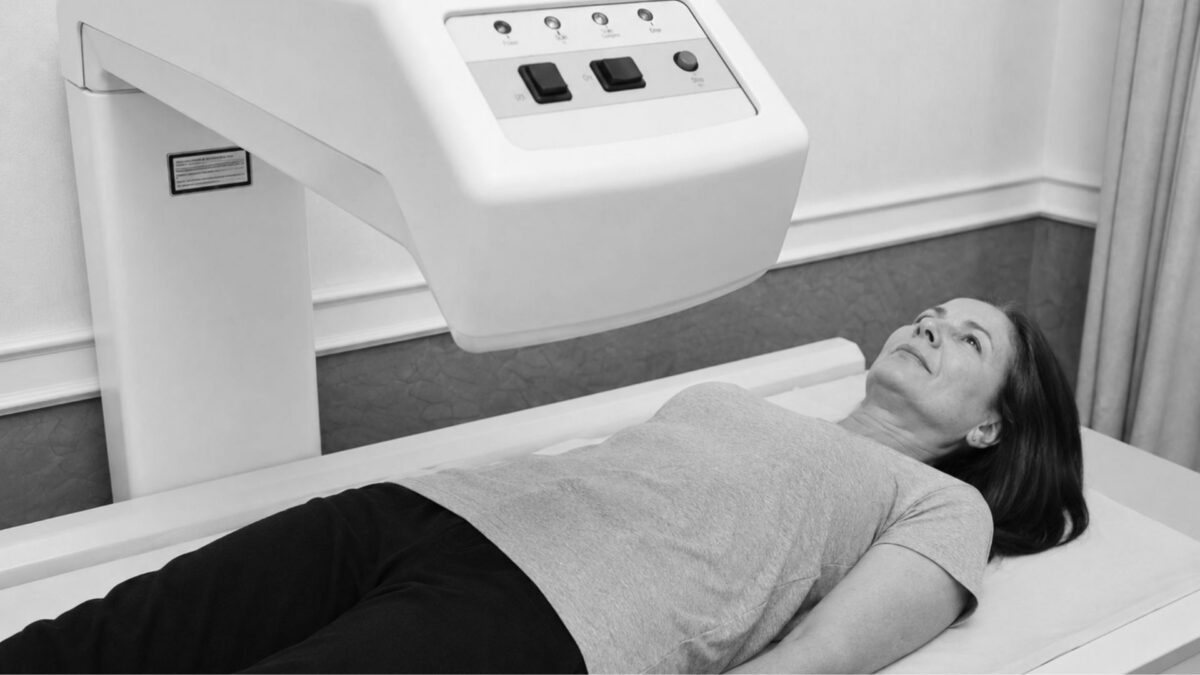
If you have never had a bone density test before, you may be wondering what the appointment actually involves. How long does a bone density test take? Do you need to prepare? What should you wear? And what happens once the scan is finished?
The good news is that a DEXA bone density test is quick, painless, and noninvasive. It can provide valuable information about your bone health without requiring a lengthy appointment or complicated preparation.
Here is what you can expect before, during, and after your bone density test.
What Is a Bone Density Test?
A bone density test measures the mineral content of your bones to help assess their strength. The most common method is dual-energy X-ray absorptiometry, often shortened to DXA or DEXA.
DEXA uses very low-dose X-rays to measure bone mineral density. Depending on the type of scan, it can also provide information about body composition, including lean muscle mass, body fat, and fat distribution.
If you want a deeper look at the technology and the information it can provide, read our guide to DEXA scans and why they matter.
How Long Does a Bone Density Test Take?
One of the most common questions people have before scheduling is, how long does a bone density test take?
At Permanence Health, the DEXA scan process takes about 10 minutes. You simply lie comfortably on the scanning table while the machine collects the measurements.
You may want to allow additional time for check-in and reviewing your results, but the scan itself is fast. There is also no recovery period, so most people can return to their normal routine afterward.
What Happens During a Bone Density Test?
When it is time for your scan, you will lie on a flat, padded table. The scanner passes over your body while collecting measurements.
You will need to remain relatively still so the machine can capture accurate information, but the scan itself is painless. DEXA does not require an enclosed tunnel like some other imaging tests, which can make the experience feel more comfortable for people who are nervous about medical scans.
According to RadiologyInfo from the American College of Radiology and Radiological Society of North America, DXA is a quick and noninvasive examination that uses a very small amount of ionizing radiation.
Once the scan is complete, the data can be used to create a clearer picture of your bone density and, depending on the scan performed, your overall body composition.
How Is a Bone Density Test Done on a Woman?
The basic DEXA scan process is the same for women and men. You lie on the scanning table while the machine collects measurements from the areas being evaluated.
Bone health can become especially important for women as they move through different stages of life. Changes in age, hormones, nutrition, activity levels, and muscle mass can all influence long-term bone health.
A DEXA scan provides an objective baseline that can be tracked over time instead of relying only on how you feel or what you see on a traditional scale.
If you are pregnant or think you may be pregnant, tell the testing team before your appointment because DEXA uses X-ray technology.
How to Prepare for a Bone Density Test
Preparing for a DEXA scan is usually simple.
For a scan at Permanence Health, no complicated preparation is required. The biggest consideration is your clothing.
Choose comfortable clothing without metal. Zippers, large metal buttons, belts, jewelry, or other metal items can interfere with imaging and may need to be removed before the scan.
If you are unsure whether something you plan to wear is appropriate, checking with the testing team before your appointment can save time when you arrive.
You should also let the team know about any recent medical imaging or procedures that could potentially affect the scan.
Before Your Bone Density Test: Quick Checklist
A few simple steps can make your appointment easier:
- Wear comfortable clothing without metal
- Avoid belts, large buttons, zippers, and underwire
- Tell the testing team if you are pregnant or think you may be pregnant
- Mention any recent imaging tests or medical procedures
- Arrive with enough time for check-in
- Be ready to review your results and ask what the measurements mean for your health goals
What Should You Wear for a Bone Density Test?
Comfortable, loose-fitting clothes are usually the easiest option.
Think about clothing such as:
- Athletic pants or leggings without metal
- A simple T-shirt
- A sports bra or undergarments without metal components
- Slip-on or easy-to-remove shoes
Try to avoid clothing with metal zippers, snaps, hooks, underwire, decorative pieces, or large buttons.
If an item of clothing could interfere with the scan, you may need to remove it or change before testing.
What Happens After the Test?
There is no downtime after a DEXA scan. Once the scan is finished, you can continue with your day.
The more important part comes next: understanding what the numbers mean.
At Permanence Health, the goal is not simply to hand you a report full of measurements. Your results can be reviewed in context so you understand what they say about your current bone health and body composition and how that information can help guide your next steps.
Your baseline can also become more valuable over time. Future scans can help show whether your bone density or body composition is changing and give you objective data to evaluate your progress.
Why Knowing Your Bone Density Matters
Changes in bone density can happen gradually, often without obvious symptoms. Measuring bone density gives you information that would otherwise be difficult to see.
For someone focused on long-term health, that information can help create a clearer baseline for decisions involving movement, strength training, nutrition, and other lifestyle factors.
The goal is not simply to collect another health metric. It is to understand where you are now so you can make more informed decisions about where you want to go.
Get a Clearer Picture of Your Bone Health
A bone density test does not have to be complicated. In about 10 minutes, a DEXA scan can give you objective information about your bones and body composition that a traditional scale cannot provide.
Ready to see where you stand? Learn more about DEXA scans at Permanence Health and book your appointment to get a clearer picture of your health today.